Track is fixed. Everything else has to fit.
Three contractors, four systems packages, twelve stations, one corridor. We federate the route, lock every interface, govern one model to handover.
Own the interfaces across every package on the route
Three interfaces to own before packages collide on the route.
Stations & civil interfaces
Architecture coordinated against tunnels, structures and civils: the track is fixed, everything else fits.
Systems integration
Rail systems, MEP and architecture federated so package interfaces are owned, not assumed.
Multi-package governance
Every package on the route held to one standard and one CDE.
From alignment to operator handover
Three stages. Click any to expand the deliverables and BIM requirements at that stage.
Federated station and tunnel models coordinated across station packages, tunnel segments, and systems interfaces. Clashes resolved in the model before excavation. Every interface verified against adjacent packages before tender.
Key processes
Station architecture coordination
Passenger flow, platforms, ventilation and services coordinated within structural envelopes. Clashes resolved in the model before excavation.
Tunnel and corridor interfaces
Station box connections, waterproofing, MEP penetrations and structural continuity resolved across tunnel boring and cut-and-cover sections.
Systems integration
Rail, signalling and comms clearance envelopes, cable routing and equipment positions verified across every corridor and station section.
Deliverables
- Federated station and tunnel models coordinated to LOD 300
- Tunnel and corridor interface clash reports with resolutions
- Rail, signalling and comms clearance verification reports
- Multi-package coordination models for tender
- Coordinated GA drawings and tender documentation
BIM requirements
Multi-package BEP & CDE by authority
BIM Execution Plan structured around station packages, tunnel segments and systems interfaces. CDE mirrors the contract-package breakdown and authority approval gates.
LOD per asset class
Level of detail tied to civil, architectural and systems assets separately. Tunnel linings, station finishes and signalling each get the precision they need.
Information exchange
IFC 4.0 validated through Solibri before CDE data drops. Naming via Uniclass 2015 with route-section and station-zone extensions.
Per-contractor construction models federated in CDE. Interface clashes detected per zone. 4D phasing sequenced across stations and tunnel segments to manage ground conditions, contractor overlap and authority approvals.
Key processes
Multi-package and multi-contractor coordination
Multiple contractor packages federated in CDE. Interface clashes detected per zone. Each package verified against adjacent works before site mobilisation.
4D phasing and sequencing
Station and tunnel construction sequenced across the linear route to manage ground conditions, logistics and contractor overlap.
Temporary works coordination
Propping, diaphragm walls and access provisions coordinated in the model with permanent structures and contractor sequences.
Deliverables
- Per-contractor construction BIM models for each package
- Interface clash reports with resolutions per contractor zone
- Temporary works coordination with permanent structures
- 4D phasing and sequencing models for the linear route
- Systems installation coordination across all disciplines
BIM requirements
Clash cycle
Weekly federation reviews with interface issues tracked in BIM Track to closure, by contractor zone.
LOD 400 audit
Plantrooms, signalling rooms and systems risers validated against fabrication tolerances and maintenance access.
Synchro linking
Model objects mapped to programme activities with TBM logistics, station-box pours and possessions windows linked.
As-built models verified per station and tunnel segment against installed conditions. Asset data structured for rail operations and lifecycle management. EIR sign-off discipline-by-discipline before transfer to the operator.
Key processes
As-built verification per segment
As-built models verified per station and tunnel corridor section against installed conditions. Discrepancies logged and resolved before handover.
Asset data for operations
Rail infrastructure contains thousands of maintainable assets. Asset classification and data capture structured from early design onwards.
EIR compliance sign-off
Documentation verified per discipline, per station, per corridor segment against EIR requirements before transfer to the operator.
Deliverables
- As-built models per station and tunnel corridor section
- Verified COBie asset data with thousands of classified maintainable assets
- Rail-specific maintenance schedules and spare-parts registers
- Operations handover documentation and asset registers
- EIR compliance validation and operator training documentation
BIM requirements
COBie validation
Asset data audited against the EIR's information requirement schedule, station-by-station.
IFC final drop
IFC 4.0 federation deposited in CDE with EIR sign-off attached per package and per authority.
FM system handshake
Asset data mapped to operator CAFM / EAM schema before transfer. Spare-parts registers reconciled.
Six services. One delivery system
Every service we apply on a metro programme runs through the same standard. Multi-package CDE. Interface coordination by zone. Systems clearance verified in 3D. Asset data structured for operator handover.
BIM Delivery
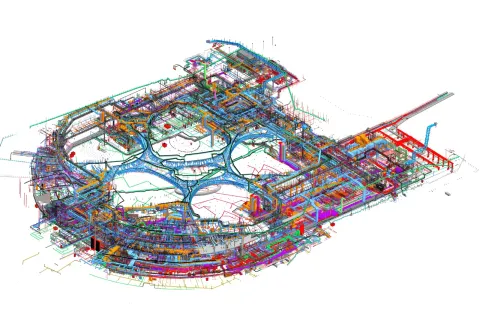
Station boxes, tunnel segments, civils and systems coordinated as one federated model across every contractor package.
Explore service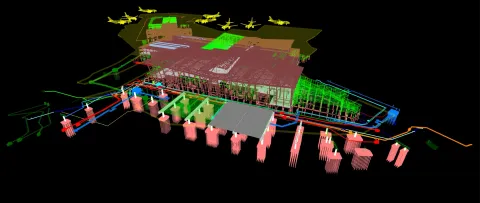
Virtual Design & Construction
4D sequences station construction, tunnel boring and systems installation. 5D tracks quantities per station, per corridor, per package.
Explore service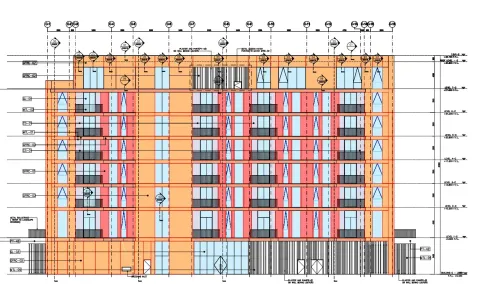
Information Management
CDE by package and authority. ISO 19650 enforced across consultants, contractors, systems and operator before each gate.
Explore service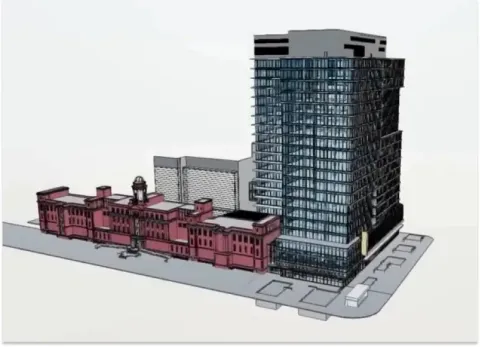
Digital Twins
Asset data structured by station and tunnel segment. Thousands of maintainable assets, classified and ready for the operator's CAFM.
Explore service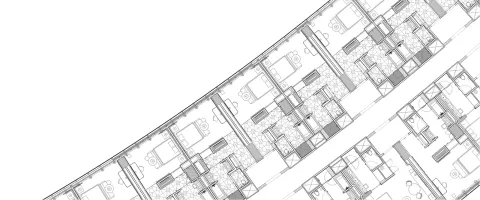
QTO & Cost
Quantities extracted per station, per corridor segment, per systems package. Cost certainty across a multi-year programme.
Explore service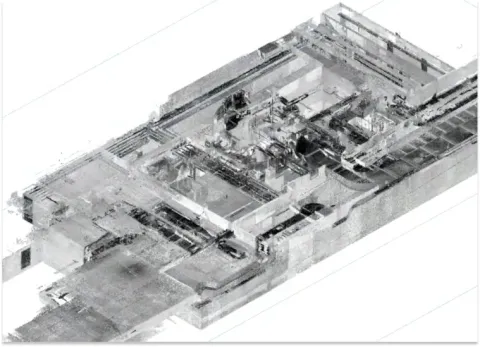
As-Built Documentation
LiDAR scan-to-BIM across station boxes and tunnel sections. As-built verified against installed conditions before operator transfer.
Explore serviceWalk through Dubai Metro Route 2020 with us.
A 30-minute screen-share through the live federated model from our metro portfolio. We open the coordinated model, the clash log, the shop drawings and the handover dataset, and you ask what you would on your own project.
- Project
- Dubai Metro Route 2020
- Format
- 30-min screen-share · live federated model · Q&A
- Audience
- Developers · Consultants · Main Contractors
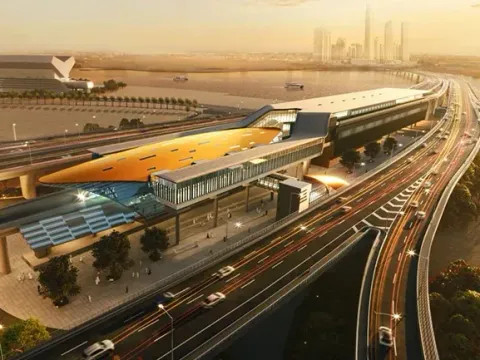
Routes we've coordinated
From the Blue Line to Route 2020, plus transit-adjacent infrastructure where the same linear coordination playbook applies. Six selected projects.
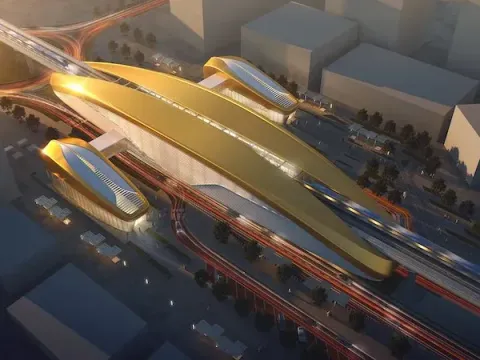
Dubai Metro Blue Line
MEP modelled and coordinated across Blue Line stations and depots for MNG Esmas,…
Read the case
Sphere Abu Dhabi
The first Sphere venue outside the United States: a 20,000-capacity spherical ve…
Read the case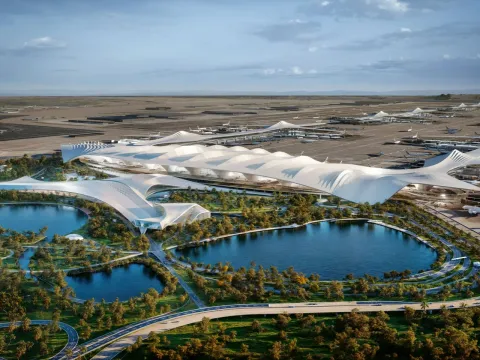
DWC Airport
Terminal-scale design packages for Dar Al-Handasah on Dubai World Central's next…
Read the case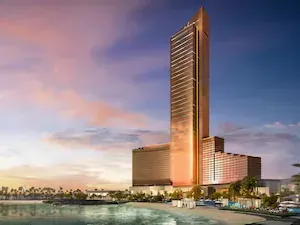
Wynn Ras Al Khaima
Over 100 people at peak across MEP, structural and interior fit-out packages on …
Read the case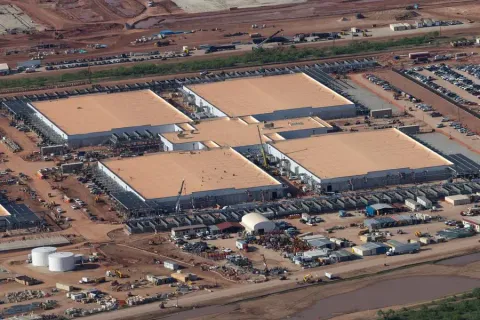
Stargate Data Centre
Every N+1 and 2N redundancy path verified in 3D against Tier-rating requirements…
Read the case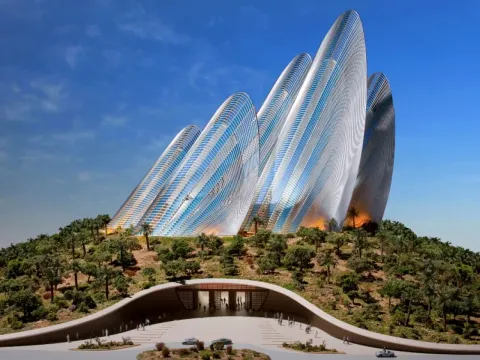
Zayed National Museum
Mechanical, electrical and plumbing threaded through Foster + Partners' steel-fe…
Read the case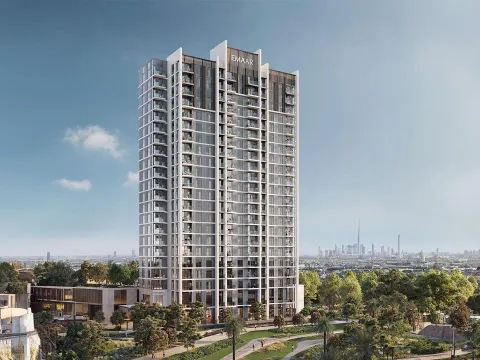
Emaar Golf Hillside Tower
Shop drawing release synced to the tower pour cycle on AFE's fast-track golf-fac…
Read the case